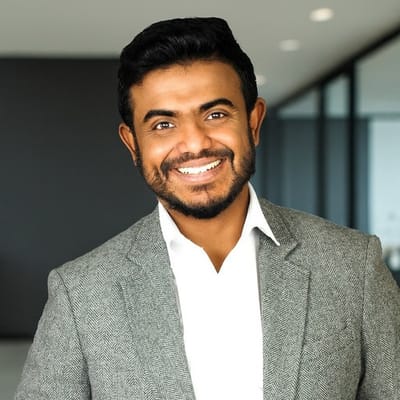
About
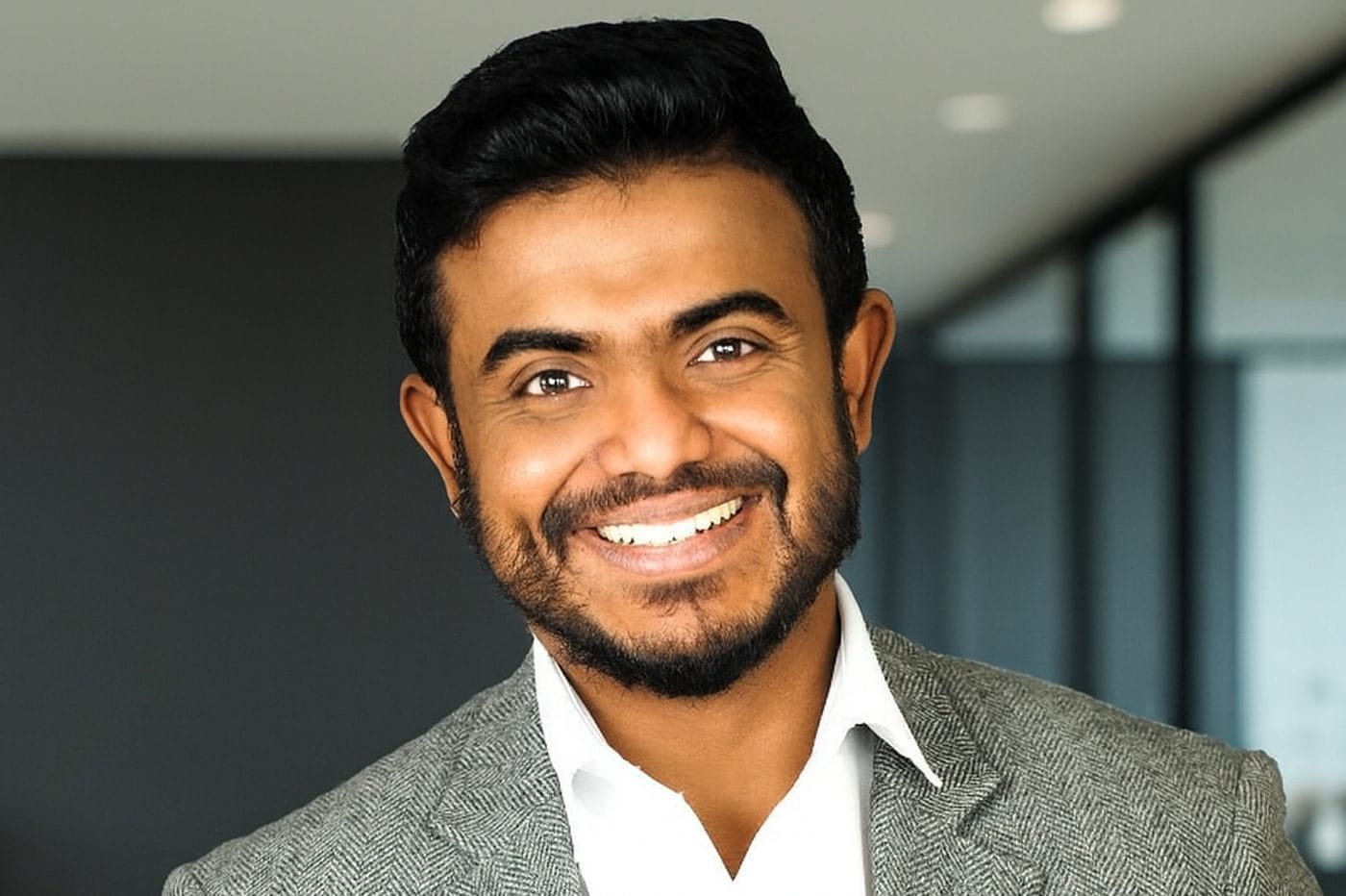
I work on the gap between what a technology can do and what an organisation can actually run.
What I own now
Since March 2025 I have been Technical Product Owner (Service Owner) of a New Zealand bank's enterprise ML and AI platform, after acting as its Service Owner from December 2023: product strategy, roadmap, prioritisation and delivery, and I lead and coach the cross-functional squad that runs it. I joined the bank in 2021 on its first enterprise machine learning use case, and was part of the team that turned a data science workbench into the shared, governed platform I now own.
The work has three layers.
The first is platform: reusable infrastructure, monitoring and onboarding, so that a data science team can start work in days rather than weeks.
I treat the platform as a product: I run discovery with the teams who use it, track which teams adopt it, and decide what it will and will not do.
After launch matters as much as the route. I built the platform's cost forecasts and tenant cost showback, and on the newer Azure platform, teams that bring a model own and fund it.
The second is governance. In a regulated environment, a model is not finished when it performs well. It is finished when risk, privacy, security, data governance, architecture and model risk have each seen what they need to see. I led a governance framework proposal (co-authored) that mapped those requirements into a single repeatable lifecycle with defined gates and artefacts, so teams follow one path instead of interpreting six. That is what responsible AI turns out to be in practice: not a statement of principles, but the artefacts, gates and named owners that make each principle something a team can actually satisfy.
The third is the part that is easiest to underrate: adoption and enablement. A platform nobody uses is a cost centre. Getting genuine reuse across business areas, and getting value counted where it lands rather than where it was built, is a different discipline from building the thing.
More recently that has extended into generative AI across two cloud providers, which has been a useful test of whether the governance model we built works beyond the case it was built for.
Product without a safety net
In 2020 I co-founded a sports analytics company and spent a year doing product the way you do it when nobody is going to rescue you: talking to coaches, defining an MVP, running a live pilot with a club rugby side, and making uncomfortable trade-offs to ship something usable. The intent was a single view of a player drawn from wearables, phones, on-field GPS and physiotherapy records, and eventually a model over the top that could anticipate load and injury rather than describe them afterwards. In parallel I worked as a data scientist in digital health, building analytics that clinical teams used to track patient outcomes.
Both taught the same lesson from opposite directions. A technically correct product that does not fit how people actually work is not a product.
Where I started
I started as a software engineer at a scientific equipment manufacturer. I then spent nearly three years as product owner and product developer at Viclink, Victoria University of Wellington's research commercialisation company, owning the backlog for products built from university research while I finished a Master of Software Development. I have written about what that taught me about product. After that I worked as a database developer on contract to a government department.
That period is why I can test a technical trade-off with engineers, then explain its cost and risk to business leaders in plain terms.
What interests me most
The work I find most interesting is where the problem is organisational as much as technical: emerging capability that needs to become governed, funded, adopted and durable.
I am also interested in the wider question underneath all of this. In the technology shifts that have been studied closely, a large share of the value has gone not to whoever invented the thing, but to whoever worked out how to make institutions able to use it safely. That is the question I keep circling, and most of what I write here is some version of it.
Outside work
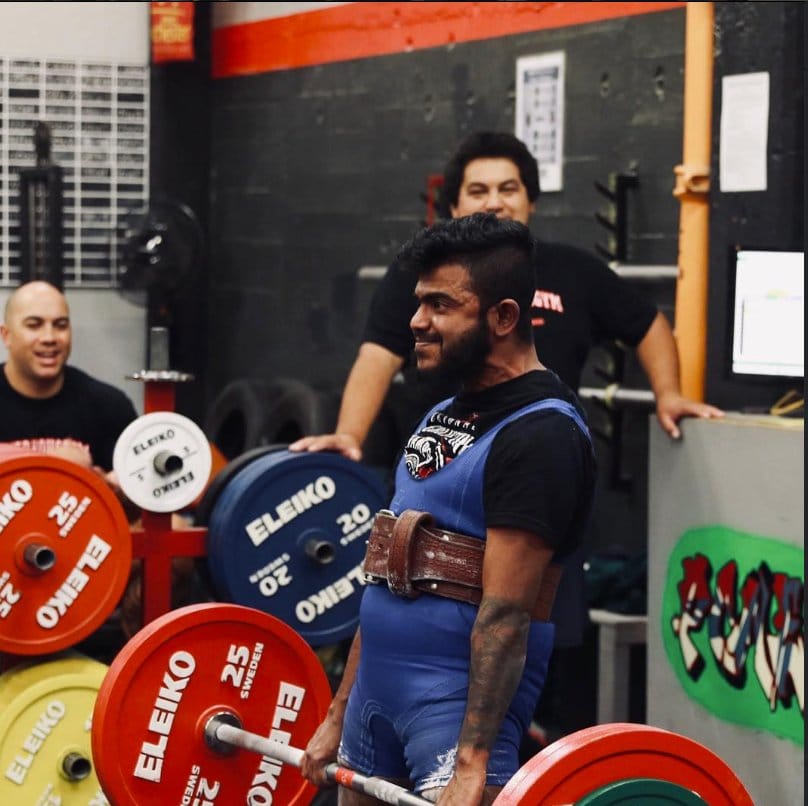
I trained and competed in powerlifting for several years, and won a national title in 2019 in the 59kg equipped class. It is the only hobby I have that taught me anything transferable: progress is a function of showing up under load for a long time.
Outside that: learning Mandarin, slowly. Cooking from method rather than recipe, which is Ethan Chlebowski's approach and the only cooking instruction that has ever stuck. And badminton, taken up this year after noticing that years under a barbell had left me with no cardio worth the name.
A note on what I write
All writing here reflects general professional experience and publicly available information. It does not disclose confidential employer information, and it does not represent the views of any current or former employer.
If you want the short version of what this site is for, it is on the Start here page, and the fuller version of my background is under Experience.